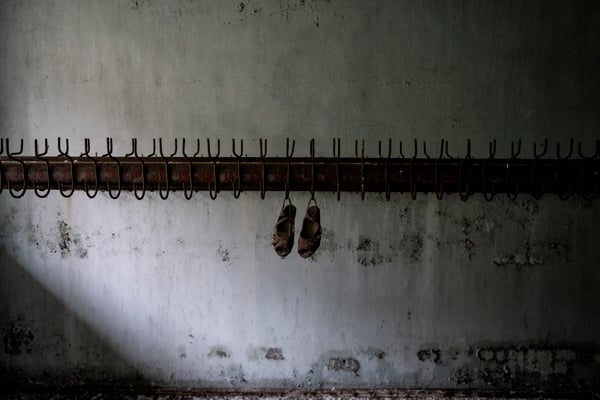
On April 26, 1986, at 1:24 a.m., the explosion of Reactor Number Four at the Chernobyl nuclear power plant triggered the worst technological disaster of the modern era. Tons of radioactive material were released into the atmosphere, contaminating large parts of Europe and affecting millions of people. A thirty-kilometer exclusion zone was established around the plant: a territory of about 2,600 square kilometers from which residents were evacuated and which, for decades, has become a symbol of the extreme consequences of nuclear energy.
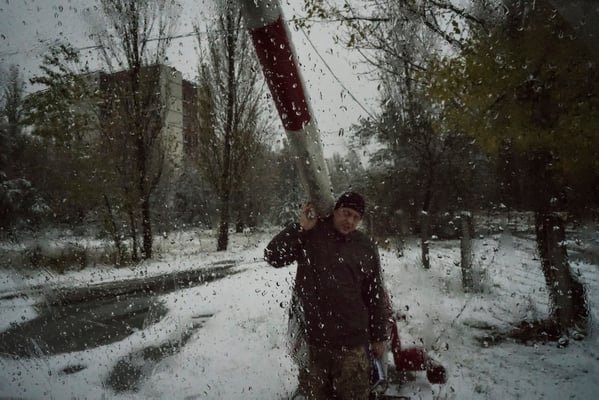
Forty years after the disaster, the exhibition “Chernobyl: Memory of a Disaster” by Pierpaolo Mittica offers a powerful and deeply human testimony of this unique and contradictory place. Mittica first traveled to Chernobyl in 2002, initially drawn—like many others—by the desire to document the visual impact of the catastrophe. Over the years he returned several times to the exclusion zone, gradually shifting his focus beyond the ruins and relics of the disaster to tell the stories of the people who, despite everything, continued to live, work, or pass through this territory.
The photographs in the exhibition are part of a long-term project created between 2014 and 2019 and document communities and stories rarely told: the Chernobyl Stalkers, young people who secretly enter the forbidden zone; the pilgrimage of Hasidic Jews to the graves of the founders of their spiritual tradition; the recovery and recycling of contaminated metals; and the lives of elderly residents who chose to return to the abandoned villages of their homeland.
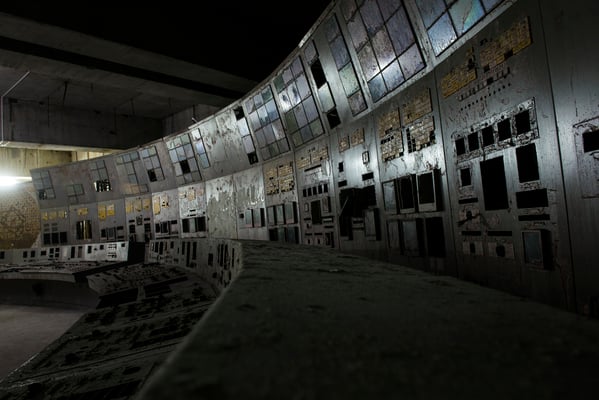
Alongside these stories, the project also confronts the harshest consequences of the disaster: children and elderly people affected by radiation-related illnesses, and communities marked by decades of environmental and health contamination.
Through these images, Mittica seeks to counter the risk of oblivion. Radiation— invisible and persistent—has not only transformed the landscape and people’s lives, but also threatens to erase the memory of what happened. Photography thus becomes a tool for preserving that memory and restoring complexity to a place too often reduced to an abstract symbol of catastrophe.
With the beginning of the Russian invasion of Ukraine in February 2022, which passed through the Chernobyl exclusion zone, this fragile balance was once again shattered. Tourism disappeared, the movement of the stalkers stopped, religious pilgrimages became impossible, and many of the last inhabitants of the villages were forced to leave their homes. The entire area has become a militarized border zone, mined and completely closed to the outside world.
For this reason, the photographs presented in the exhibition now represent some of the last visual testimonies of the life that still existed in the exclusion zone before the war.
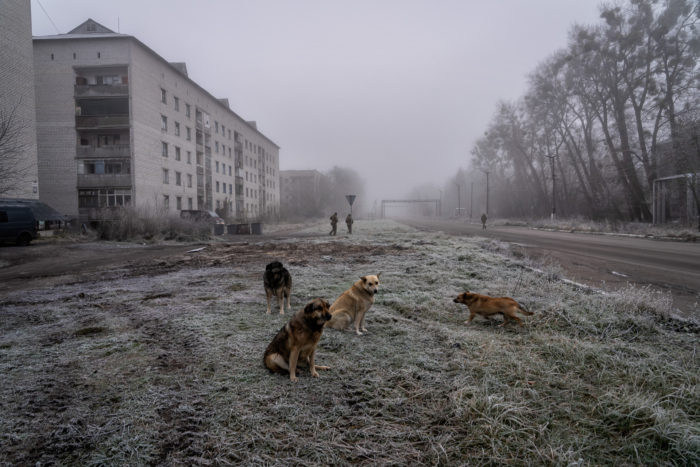
“Chernobyl: Memory of a Disaster” is not only the story of one of the greatest technological disasters in contemporary history, but also a collection of stories of resilience, memory, and a deep bond with a lost land—an invitation not to forget and to reflect on the often invisible and long-lasting consequences of human choices.
Location:
Info
Location: Area Verde Camollia 85 |
Via del Romitorio, 4
Period: October 10th – November 29th
Opening Time:
Friday: 03:00 pm-07:00 pm
Saturday-Sunday: 10:00 am-07:00 pm
Holidays: 10:00 am-07:00 pm

TICKET VALID FOR VISITING ALL THE EXHIBITIONS
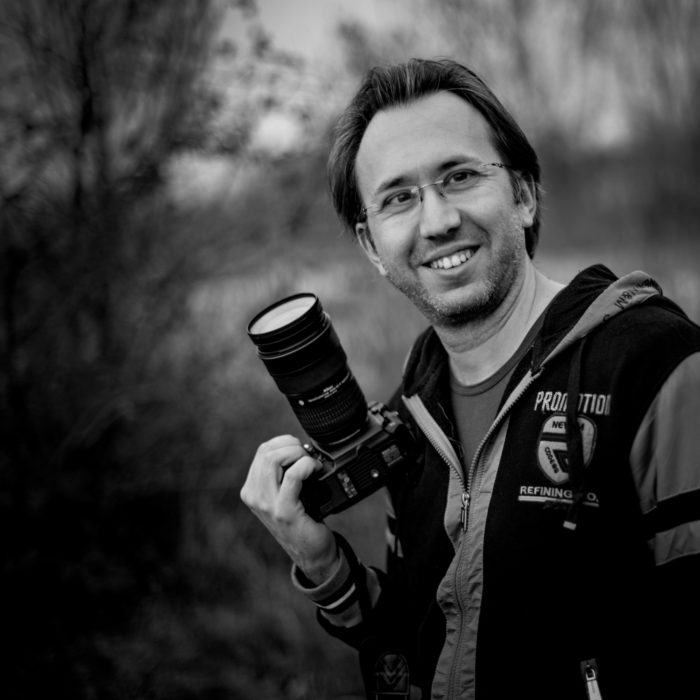
Photographer Biography: Pierpaolo Mittica is an Italian photographer and filmmaker internationally known for his long-term work exploring the environmental and human consequences of industrial and nuclear activities. He studied photography with leading figures in photographic culture such as Charles-Henri Favrod, Naomi Rosenblum, and Walter Rosenblum, developing a documentary approach that is both rigorous and deeply human. Throughout his career he has worked extensively across Eastern Europe and Asia, focusing on territories shaped by environmental disasters and social transformations. His best-known project focuses on the Chernobyl disaster, begun in the early 2000s and pursued for more than twenty years, documenting life in contaminated areas and exploring the relationship between memory, territory, and survival.
His photographs have been exhibited internationally across Europe, the United States, China, and Australia, and published in major international publications including National Geographic, The Guardian, and Der Spiegel. Over the years he has received more than one hundred international awards, including six prizes at Pictures of the Year International.
Alongside his photographic work, he has directed documentaries and published several photographic books, including a number of works dedicated to Chernobyl. This long-term research culminated in the volume Chernobyl, published by Gost Books in 2024. His work investigates the fragility of contaminated landscapes and the resilience of the communities that continue to inhabit them.