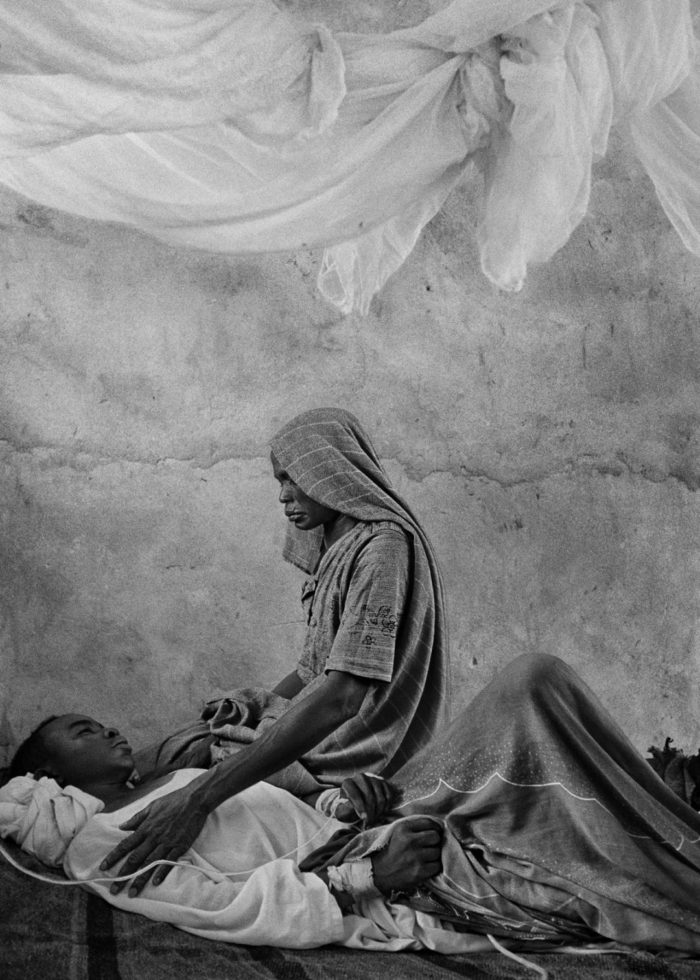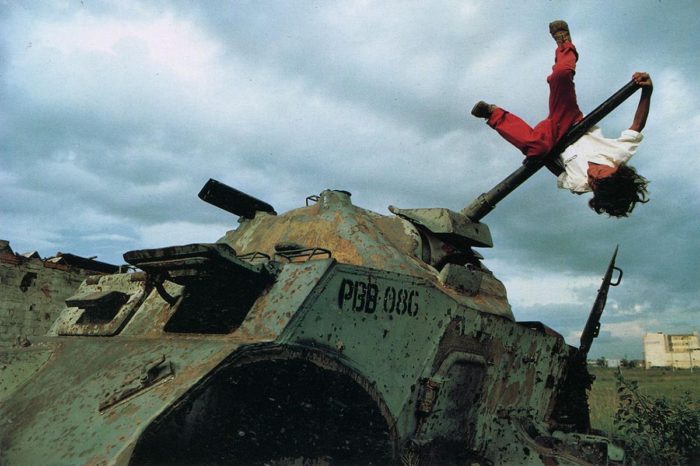
For more than four decades James Nachtwey has worked in some of the most fragile and violent regions of the world, documenting armed conflicts, humanitarian crises, famine, epidemics, and environmental disasters. His work represents one of the most powerful and consistent visual testimonies of contemporary history, shaped through a photographic language that combines formal rigor, emotional intensity, and a profound ethical commitment.
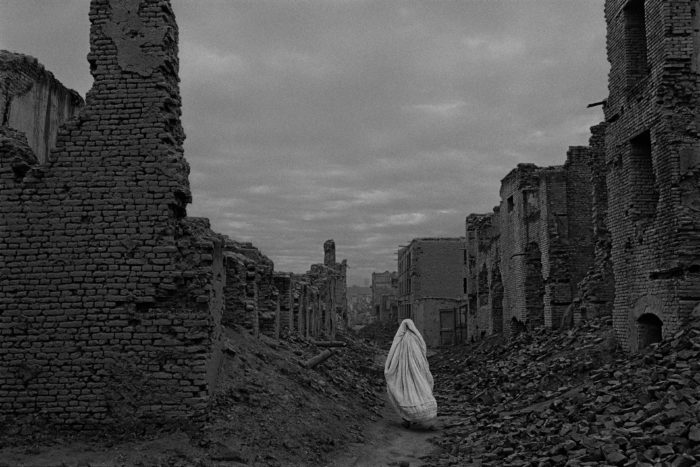
This exhibition retraces some of the most significant chapters of his long career, bringing together images made in contexts marked by war, poverty, and violence. From the conflicts in the Balkans to the genocide in Rwanda, from famines in Africa to the long-term consequences of Agent Orange in Vietnam, and the photographs taken in New York after the September 11 attacks, the exhibition moves through some of the most dramatic events of the past several decades. In these images, the documentation of events gradually becomes a broader reflection on the vulnerability of human life and the responsibilities of the international community.
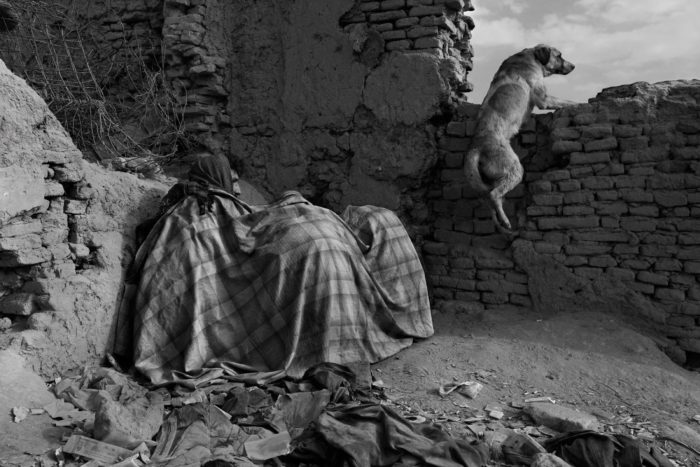
Nachtwey’s photographs are characterized by a highly rigorous composition and a powerful use of black and white, giving the images an almost timeless dimension. This formal choice is not merely aesthetic: it focuses attention on gestures, expressions, and human relationships, restoring dignity to the people portrayed even in the most tragic circumstances. His photography does not seek to sensationalize suffering, but rather to bear witness, making visible what too often remains at the margins of public attention.
Throughout the exhibition, scenes of destruction and loss alternate with moments of humanity and solidarity: gestures of care, shared glances, and fragments of everyday life that endure even in the most extreme situations. In this balance between tragedy and dignity lies one of the defining qualities of Nachtwey’s work: the ability to portray not only the violence of history, but also the resilience of those who endure it.
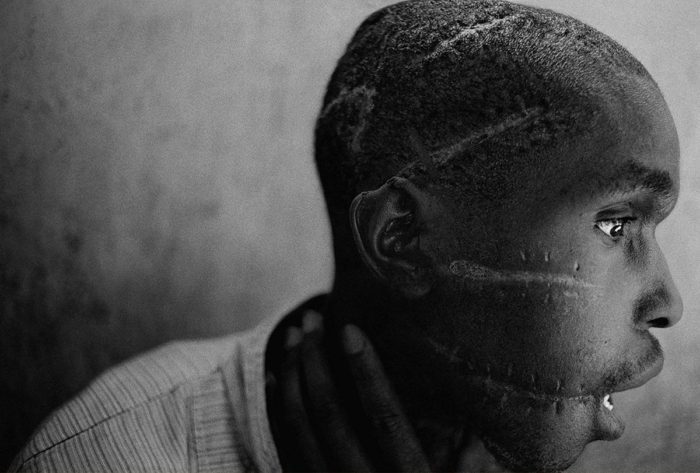
More than a simple reconstruction of historical events, this retrospective offers a reflection on the role of photojournalism in the contemporary world. Nachtwey’s images remind us that photography can still play a vital role in making injustice visible, preserving the memory of events, and encouraging a collective awareness of the responsibilities that shape our time.
Location:
Info
Location: Centro Culturale “La Tinaia” |
Via dei Macelli, 1 – Sovicille
Period: October 10th – November 29th
Opening Time:
Friday: 03:00 pm-07:00 pm
Saturday-Sunday: 10:00 am-07:00 pm
Holidays: 10:00 am-07:00 pm

TICKET VALID FOR VISITING ALL THE EXHIBITIONS
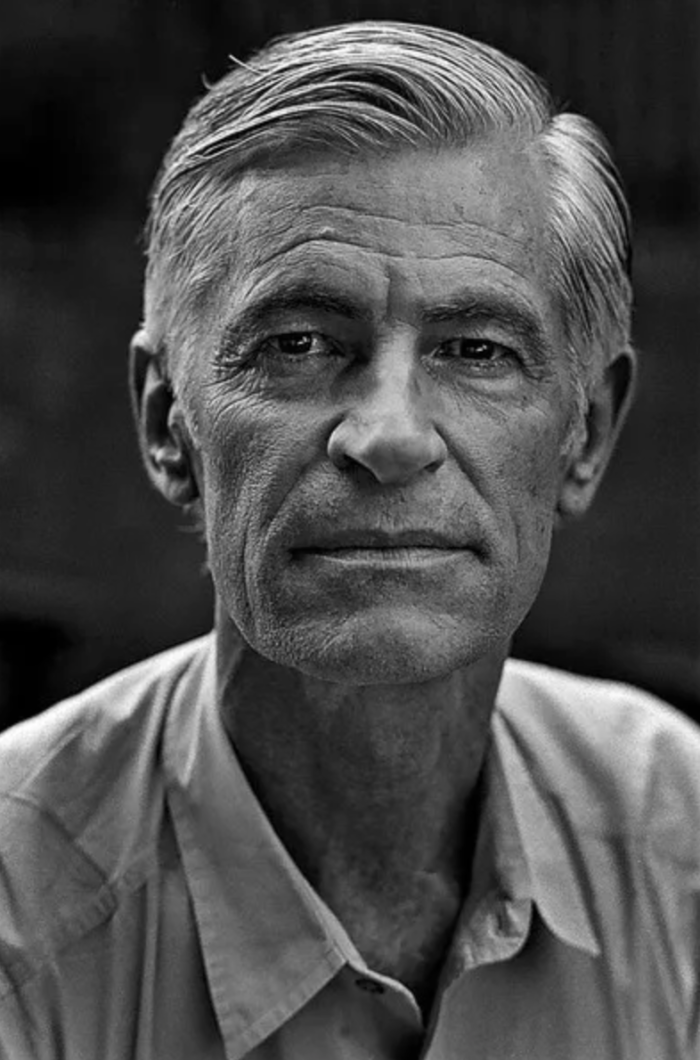
Photographer Biography: James Nachtwey (New York, 1948), one of the most important contemporary photojournalists, is widely recognized as one of the leading figures in the tradition of war photojournalism pioneered by Robert Capa. For more than four decades he has documented conflicts, humanitarian crises, famine, disease, and environmental disasters around the world, building a body of work that stands among the most powerful visual testimonies of the human condition in our time.
After studying art history and political science at Dartmouth College, Nachtwey turned to photography as a self-taught artist, inspired by images from the Vietnam War and the American civil rights movement. In 1976 he began working as a photographer for the Albuquerque Journal in New Mexico. A few years later he began working as a freelance photographer, collaborating with major international publications such as TIME and joining Magnum Photos, of which he became a member in 1986.
Throughout his career he has documented some of the most dramatic events of recent history: the war in Bosnia, the genocide in Rwanda, the Second Intifada in the Middle East, famines in Sudan, the long-term consequences of Agent Orange in Vietnam, and the aftermath of the September 11 attacks in New York, which he witnessed firsthand. His photographs portray a humanity wounded by violence, illness, and poverty, while also revealing the dignity and resilience of people affected by the crises of our time.
Nachtwey’s work is driven by the belief that photojournalism can still influence public conscience and contribute to change. The extraordinary aesthetic intensity of his images becomes a powerful instrument of testimony and compassion, transforming photography into a form of civic responsibility.
Over the course of his career he has received many of the most prestigious international awards in photojournalism, including numerous World Press Photo Awards, the Robert Capa Gold Medal, and the TED Prize. His photographs have been collected in the book Inferno and presented in major retrospective exhibitions worldwide, confirming his role as a visual witness to the great tragedies and profound contradictions of the contemporary era.
“My photographs are my testimony. The events I have recorded should not be forgotten and must not be repeated.”