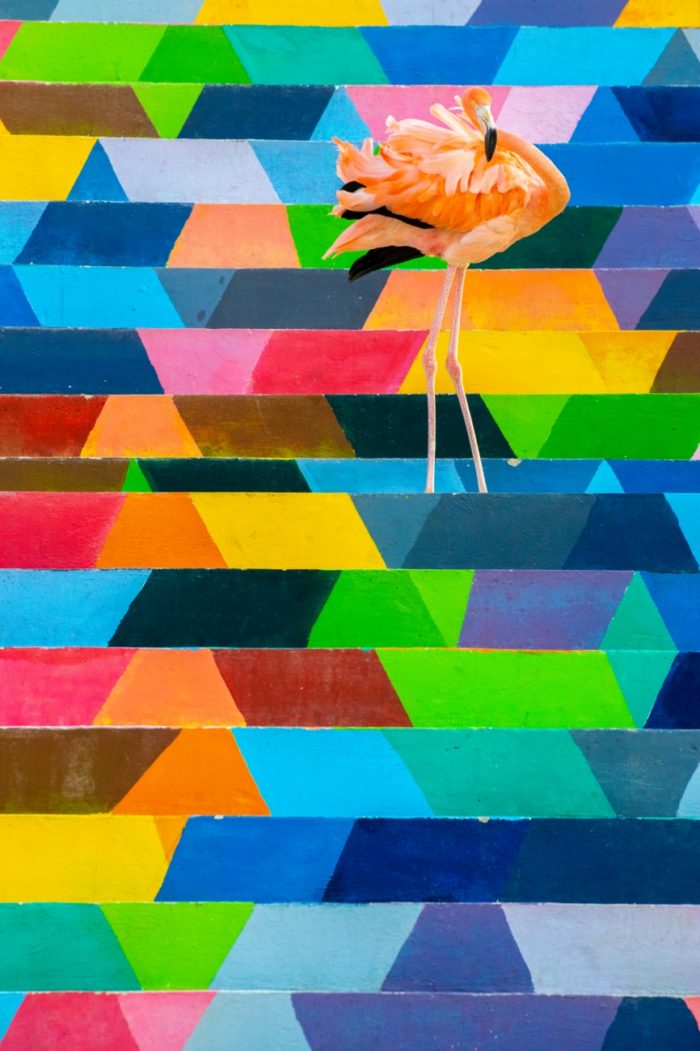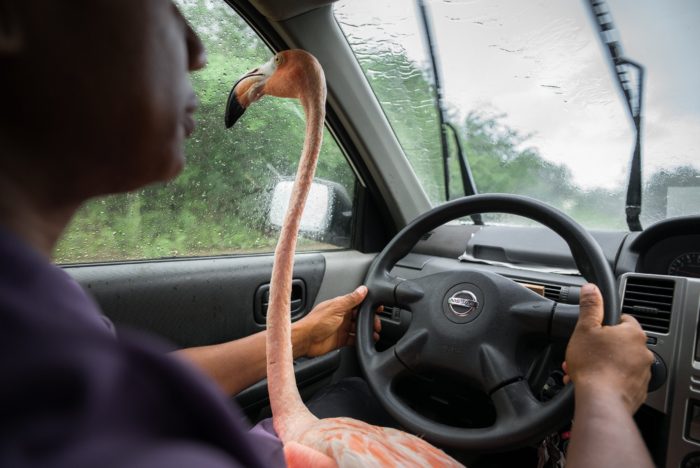
Flamingo Bob tells the extraordinary story of an encounter between humans and nature on the Caribbean island of Curaçao, part of the Dutch Antilles. Its protagonist is Bob, a Caribbean flamingo whose life took a dramatic turn when he accidentally crashed into the glass window of a hotel while flying, suffering a severe concussion.
He was rescued by veterinarian Odette Doest, founder of the Fundashon Dier en Onderwijs Cariben (FDOC), an organization dedicated to wildlife rehabilitation and environmental education. Although Bob recovered from his injuries, the accident left him unable to survive in the wild. Instead, he found a new role: Bob became an ambassador for conservation, accompanying Odette during school visits and helping raise awareness among local children about the importance of protecting wildlife.
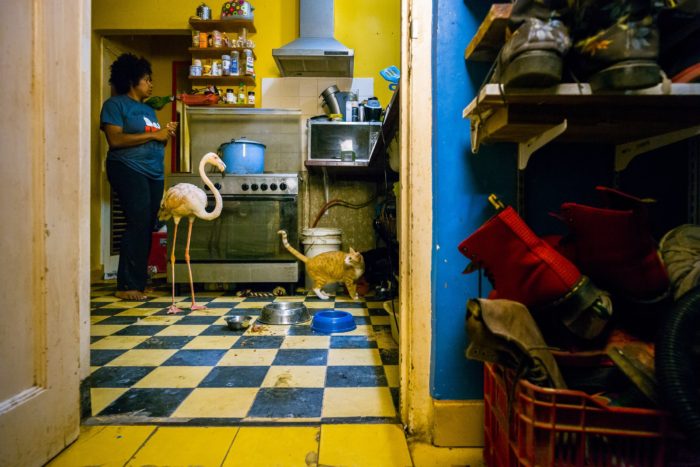
The photographic project began when Dutch photographer Jasper Doest, Odette’s cousin, traveled to Curaçao with the intention of documenting the island’s wildlife. Meeting Bob—an elegant pink bird who unexpectedly walked into his bedroom one morning—sparked the beginning of a unique visual story. Through a narrative documentary approach, Doest follows Bob’s daily life: walking along the beach with Odette, interacting with curious schoolchildren, resting inside the house, or bathing in a saltwater pool alongside other flamingos that, like him, can no longer return to the wild.
The photographs capture intimate and often surprising moments that reveal the delicate intersection between human and animal worlds. While the sight of a flamingo in domestic settings may sometimes appear humorous, the project ultimately tells a deeper story of care, responsibility, and respect.
Flamingo Bob is a reflection on the fragile balance between humans and wildlife, and on the role each of us can play in protecting it. At a time when the environmental crisis is increasingly visible across the natural world, this story reminds us that individual actions—guided by empathy and compassion—can generate meaningful positive change.
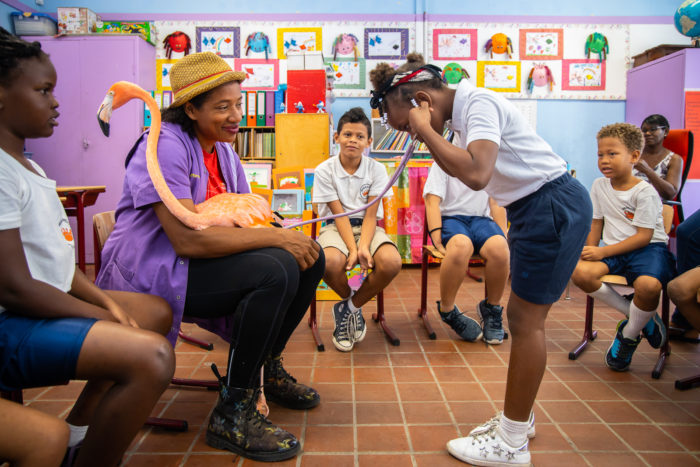
Bob is not simply a rescued flamingo; he has become a symbol of coexistence between people and nature, and a reminder that protecting our planet often begins with a single act of kindness. The story of Bob and Odette later became a photographic book and part of a broader initiative aimed at raising funds to support FDOC and wildlife conservation efforts across the Caribbean.
Location:
Info
Location: Museum of Natural History |
Piazzetta Silvio Gigli, 2 – Siena
Period: October 10th – November 29th
Opening Time:
Friday: 03:00 pm-07:00 pm
Saturday-Sunday: 10:00 am-07:00 pm
Holidays: 10:00 am-07:00 pm

TICKET VALID FOR VISITING ALL THE EXHIBITIONS
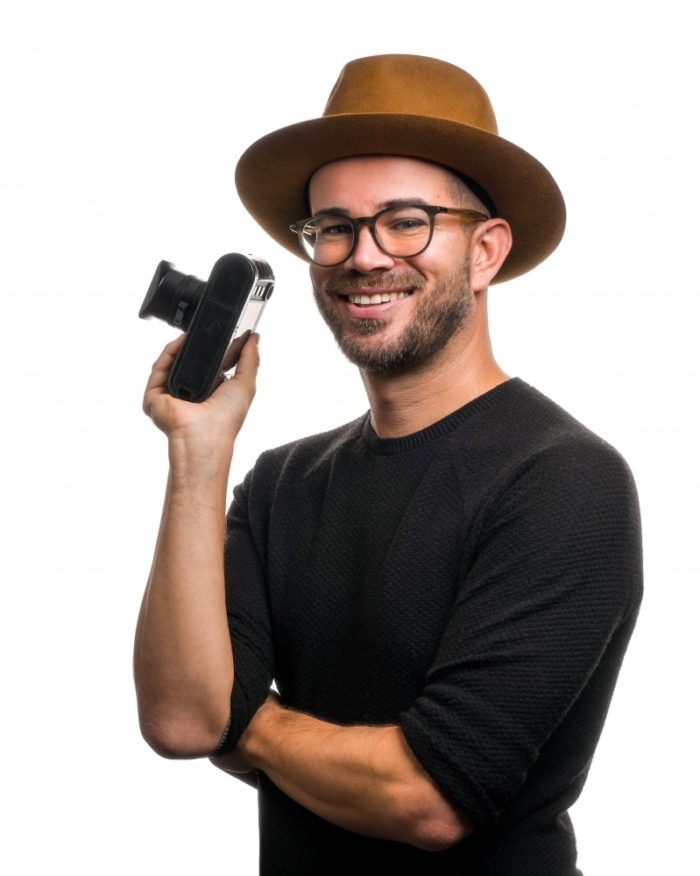
Photographer Biography: Jasper Doest is a Dutch photographer whose work explores the complex relationship between humans and the natural world. Trained in ecology and deeply interested in anthropology, he uses photography to investigate how culture, symbolism, and environmental change shape the way people perceive and interact with animals. His projects often reveal the emotional and ethical dimensions of this relationship, highlighting both the tensions and the connections that bind human societies to the natural environment.
Committed to the idea that photography can foster awareness and positive change, Doest is a National Geographic Explorer, a senior fellow of the International League of Conservation Photographers, and an ambassador for World Wide Fund for Nature. His work has been widely published and exhibited internationally, and he has received numerous international awards, including four World Press Photo Awards and four honors at the Wildlife Photographer of the Year competition.
Across continents and cultures, Doest is driven by a deep commitment to authentic storytelling and a profound respect for the people, animals, and places he documents.
Through long-term projects, experimental visual approaches, and close collaboration with scientists and conservationists, Doest’s work reflects a belief in photography’s power to inspire empathy, challenge perceptions, and encourage a more thoughtful relationship with the natural world.