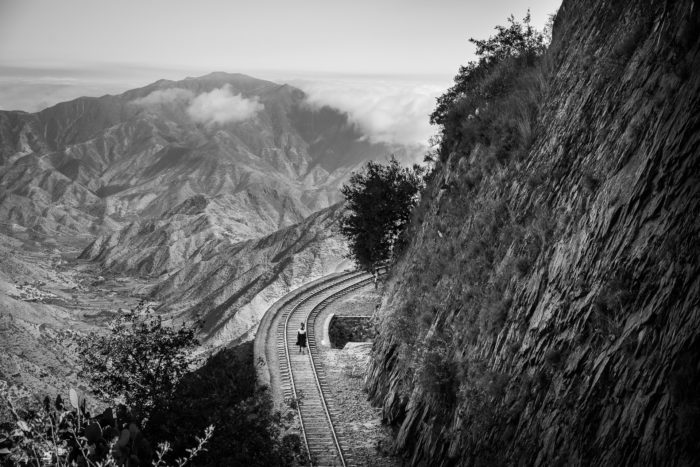
In many contemporary conflicts, women’s bodies have become one of the primary battlegrounds. Sexual violence is not merely a consequence of war, but a deliberate strategy of domination, humiliation, and control.
The project Women’s Bodies as Battlefields by photojournalist Cinzia Canneri was created to shed light on this reality through the stories of Eritrean and Tigrayan women who have crossed or lived in territories marked by one of the most dramatic conflicts of recent years: the war in Tigray, in northern Ethiopia. Moving between Eritrea, Ethiopia, and Sudan, the photographer documents the experiences of women forced to flee, survive, and rebuild their lives in a context shaped by widespread violence and political instability.
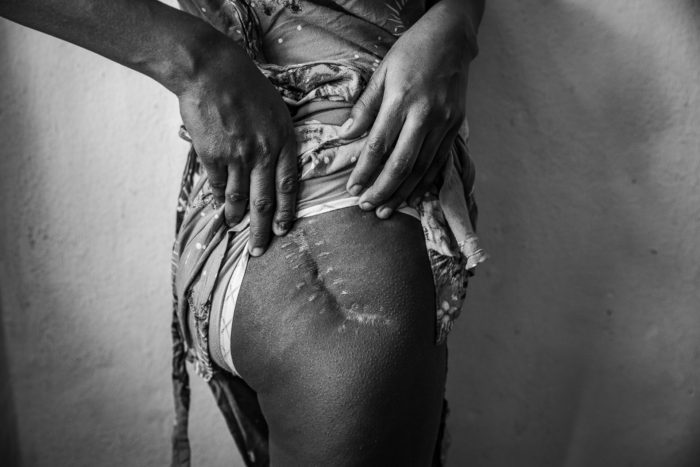
During the conflict that erupted in 2020, numerous testimonies revealed how rape—both individual and gang rape—was systematically used as a weapon of war. Eritrean women were punished for having fled their country, while Tigrayan women were targeted as part of a strategy aimed at the destruction of an ethnic group. Their bodies became contested territories, symbolic spaces upon which power and destruction were exercised.
The photographs in this exhibition reveal not only the violence and its consequences, but also the complexity of the choices and trajectories faced by these women. In refugee camps or villages marked by conflict, many find themselves confronting extreme decisions: to remain, to flee, or even to enlist. In some cases, joining the armed forces paradoxically becomes a form of protection against the risk of sexual violence faced in villages or along migration routes.
Presented in black and white, Canneri’s images avoid any sensationalization of suffering and instead focus on the humanity of the people portrayed. Alongside the harsh realities of war, moments of intimacy, solidarity, and resilience emerge: women supporting one another, praying together for their children, and seeking to rebuild a sense of community despite ethnic and political divisions.
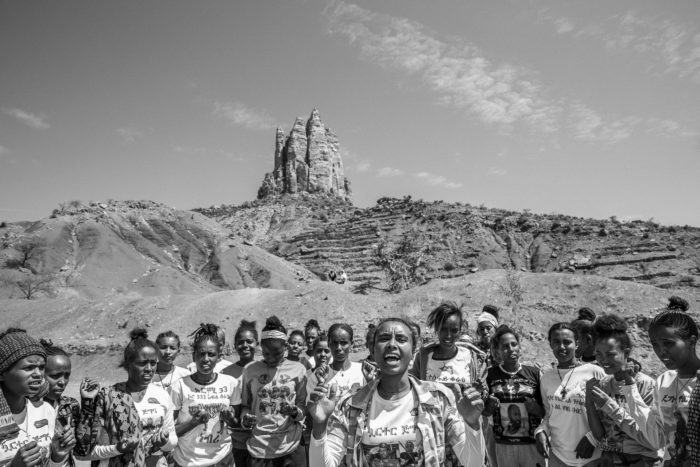
The project began in 2017 following the photographer’s encounter with the Eritrean diaspora in Italy and developed in the following years in refugee camps and border regions across the Horn of Africa. With the outbreak of the war in Tigray in 2020, the research expanded to include Tigrayan women, whose destinies became intertwined with those of Eritrean women, united by similar experiences of violence and a shared struggle for survival and dignity.
Women’s Bodies as Battlefields is not only a denunciation of human rights violations, but also a testimony to the strength and resilience of these women. From silenced victims they become witnesses to a pain that calls for accountability, memory, and justice. Their stories invite us to reflect on a reality that too often remains invisible: the ways in which, in contemporary conflicts, war continues to be fought on the bodies of women.
Location:
INFO
Location: Accademia dei Rozzi |
Via di Città, 36 – Siena
Period: October 10th – November 29th
Opening Time:
Friday: 03:00 pm-07:00 pm
Sat-Sun: 10am-01:00pm | 03:00-07:00pm
Holidays: 10am-01:00pm | 03:00-07:00pm

TICKET VALID FOR VISITING ALL THE EXHIBITIONS
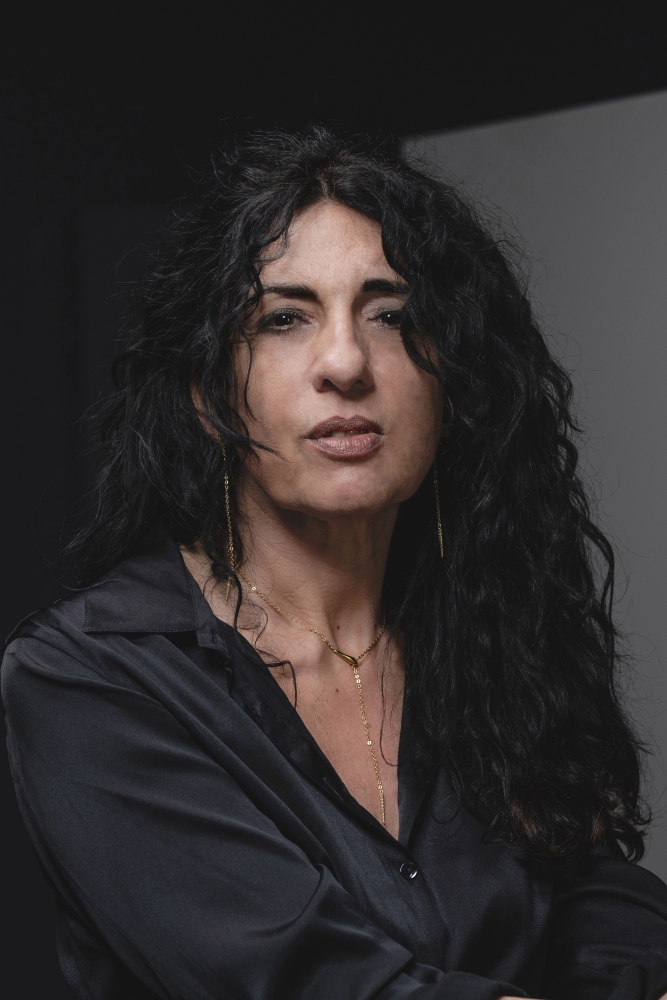
Photographer Biography: Cinzia Canneri is an Italian photojournalist whose work explores the human condition through themes of social change, gender issues, and migration. She holds a degree in Psychology and later earned a Master’s degree in Photojournalism, combining analytical insight with a visual and humanistic approach to storytelling. She has worked extensively in the Horn of Africa, documenting the lives of women from political, social, and cultural perspectives.
Her project Women’s Bodies as Battlefieldshas received numerous awards, including the World Press Photo Award for Long-Term Projects, Africa Region (2025); First Place for World Understanding at POYi – Pictures of the Year International (2026); and First Place for Issue Reporting Stories at POYi (2022). In addition to the international tour of World Press Photo, this work has been exhibited at the Ducal Palace in Genoa and the Palazzo delle Esposizioni in Rome (2025), at the Xposure International Photography Festival in Sharjah, United Arab Emirates (2025), at the Brooklyn Bridge Photoville Festival in New York, United States (2023), and at the Kawasaki Peace Museum in Kanagawa, Japan (2022).
Canneri’s work has been published in The New York Times, The Washington Post, Days Japan, The Observer, Internazionale, Millennium, and L’Espresso.